Weekly focus and goals
My primary focus for this week was on the core scenario and level design for Ending 1 (The Fake lord). This is a critical branch in the narrative that is triggered by player perception and past investigations.
Specifically, my goals were to:
Visualize and detail the key scene: The garden of Lord Ii Naosuke's estate.
Define the branching path logic based on player knowledge.
Establish the distinct outcomes (Combat vs. Stealth) of this branch.
My motivation was to ensure that the previously gathered narrative clues directly impact a significant, game-altering moment, rewarding careful players and challenging those who have been less observant.
Work completed
This week, I successfully completed the following artifacts to support the Ending 1 design:
1. Scene Design and Visualization
I have detailed the key scenario, which is a pivotal moment set within the inner garden of the Ii Naosuke estate. The atmosphere needs to be tense and cinematic.
I have detailed the key scenario, which is a pivotal moment set within the inner garden of the Ii Naosuke estate. The atmosphere needs to be tense and cinematic.
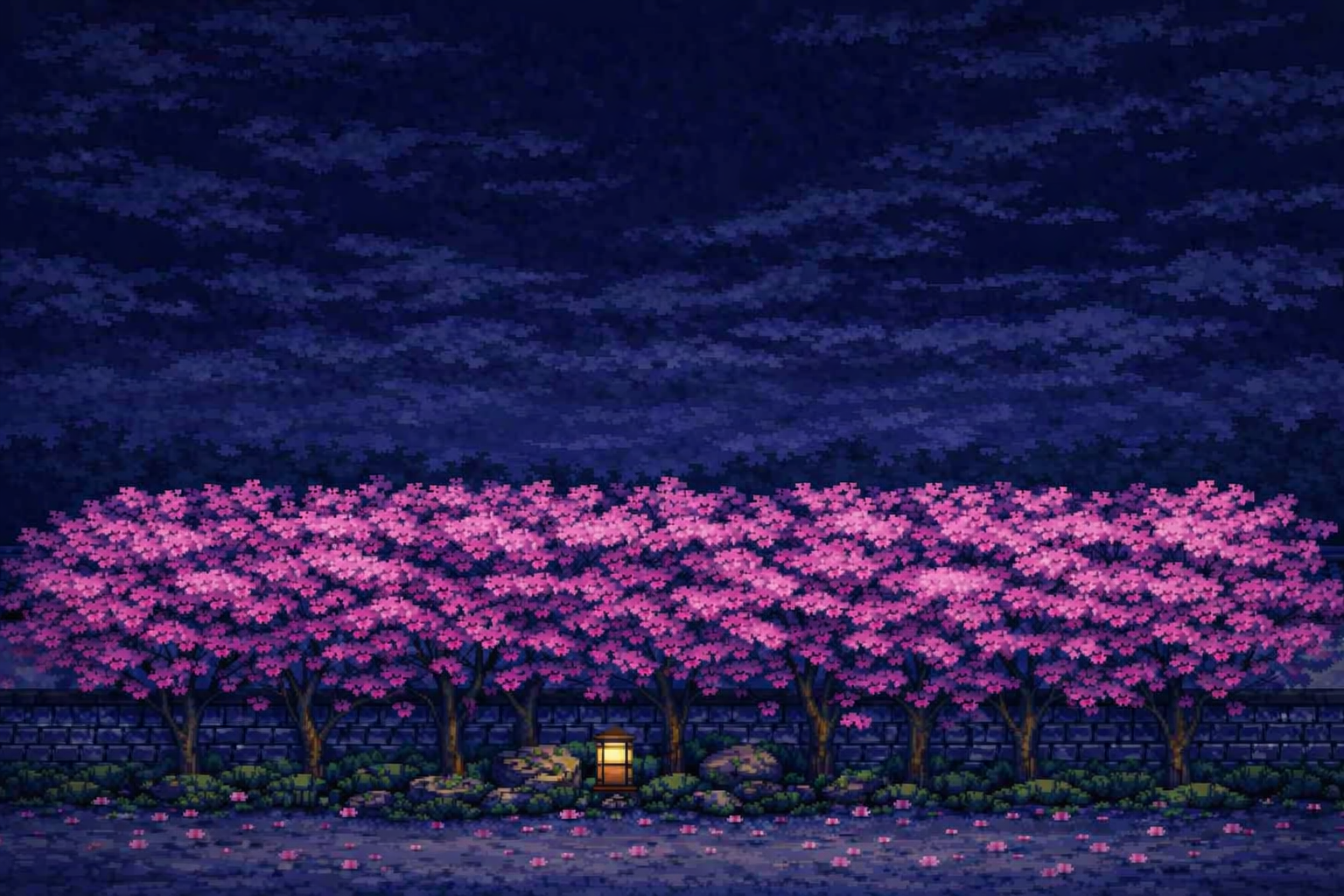
Asset Reference: Inner Garden at Night (Scene Concept):
Below is the visual foundation for this scene. It establishes the scale, lighting, and the crucial environmental elements: the stone wall, the ancient cherry trees, the central lantern (which marks the position of the "decoy"), and the ground cover for tracking movement. The lighting here is deliberate; the area around the decoy is well-lit, while the upper branches and perimeter are in deep shadow, perfect for stealth.
Implementation Details: I’ve planned the geometry to include walkable sections along the tops of the stone walls, shielded by the hanging cherry blossom branches, allowing the ninja to bypass the decoy.
2. Narrative Branching and Gameplay Logic
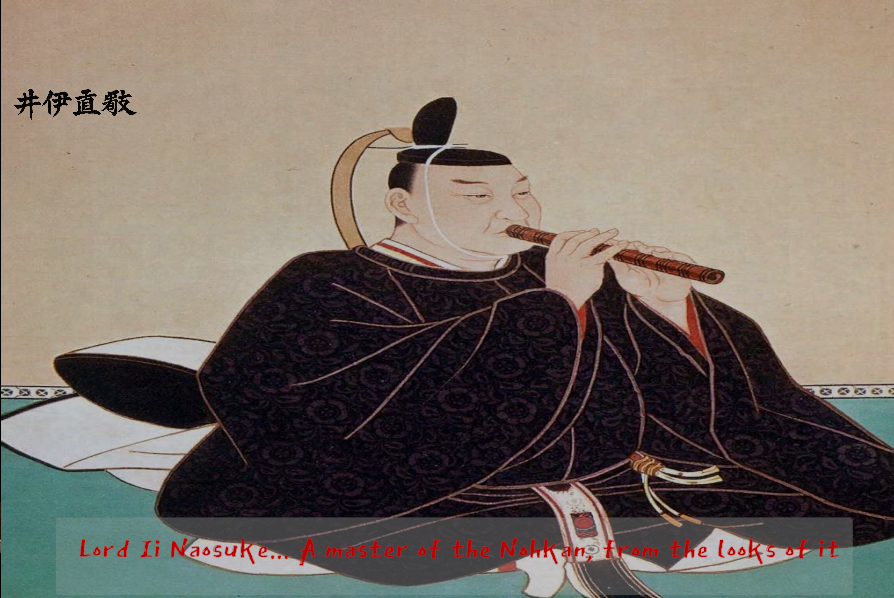
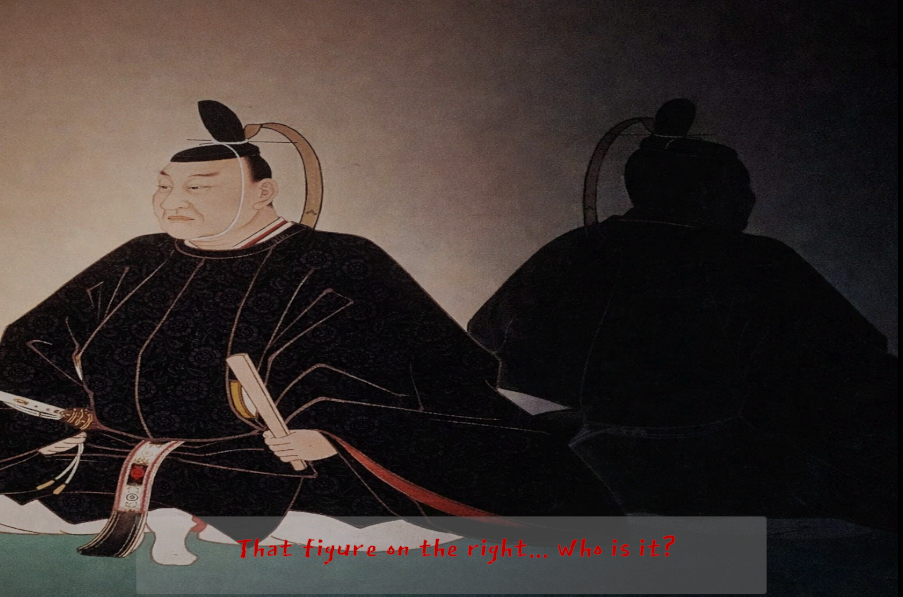
I have codified the level design and branching path based on the player's perception. The key branching condition is whether the player realizes that the figure by the lantern is Ii Naosuke's double, not the true target.
I have codified the level design and branching path based on the player's perception. The key branching condition is whether the player realizes that the figure by the lantern is Ii Naosuke's double, not the true target.
Scenario Details:
The Decoy Setup: Our ninja enters the garden (the bottom-left area of the scene concept). By the lantern sits a figure dressed as Lord Ii Naosuke.
The Player's Knowledge Test: The player must make a judgment call using:
Prior Clues: Documents or conversations found earlier suggesting the use of doubles.
Current Environmental Clues: Specifically, I have decided to use sound as a key tell. A traditional musical instrument is heard, but the player knows (from previous information) that the true Lord Ii is elsewhere and he is the one who plays this music. The decoy is just sitting silently.
Path A: Failure to Perceive (Combat and Bad Ending)
If the player fails to realize it is a decoy, they are expected to confront the figure directly.
Outcome: The "decoy" is a master-level swordsman in disguise. This is a deliberate, exceptionally difficult "trap" boss fight.
Consequence (Ending 1.1): Even if the player wins this brutal fight, the real Ii Naosuke escapes, leading to a "Bad Ending." This path punishes non-observant gameplay with difficult content and narrative failure.
Path B: Successful Perception (Stealth to the True Target)
If the player synthesizes the clues (the music, the prior intel) and realizes the figure is a decoy:
Gameplay Mechanism: The level is designed for stealth traversal. The player can use their agility to ascend the high stone wall (see the left side of the scene artifact).
Outcome: From the top of the wall, the player must navigate through the dense canopy of the overhanging cherry trees, moving past without being detected.
Consequence (Ending 1.2): Successful traversal allows the player to sneak past the trap and arrive at the true location of Ii Naosuke (a separate scenario for a future week's design). This rewards careful observation and player intelligence with progress towards a good ending.
Design decisions and rationale
1. The Decision to Branch Based on Perception (The Sound Cue)
Choice: I decided to use a complex cue system (prior lore + present sound) rather than just a simple visual marker. The key tell is the sound of the specific instrument (e.g., shamisen).
Rational: This reinforces the "ninja detective" fantasy. If a player has to deduce that the figure is a decoy by listening to music and remembering who plays it, they feel incredibly smart. It makes the environment feel more integrated with the narrative.
Alternatives Considered: I considered a visible difference (e.g., a tattoo or a specific ring), but that felt too overt and easily missed in the chaotic visual clutter of a garden. Sound is ambient and less missable but still requires interpretation.
2. Punishing the "Kill Everything" Playstyle
Choice: The direct confrontation with the decoy leads to an extreme spike in difficulty and a bad ending.
Choice: The direct confrontation with the decoy leads to an extreme spike in difficulty and a bad ending.
Rational: In a stealth-driven game, I want to penalize players who ignore clues and try to brute-force the optimal narrative outcome. The difficult combat serves as both narrative feedback (you made a mistake) and a severe challenge for those who persist in the wrong direction.
Research and precedents
Precedents for Perception Clues: I looked at Sekiro: Shadows Die Twice (for its dynamic level verticality and use of specific visual and audio queues to hint at secrets).
Aesthetic and Musical Inspiration: I researched Japanese garden layouts of the Edo period to design the stone wall/cherry tree composition shown in the artifact.
Feedback and user testing (when applicable)
This design concept was presented to a classmate.
Feedback: very cool.
Reflection and next steps
This week was successful. I have moved the abstract idea of "multiple endings" into concrete level design and player-logic mapping. The scene concept (Artifact 1) has been a vital tool for visualizing how the stealth traversal over the stone wall and through the cherry blossoms will physically work. I am happy that I am successfully linking player-world knowledge to real gameplay consequences.
Next steps for next week:
Complete the detailed level design for the true Ii Naosuke's secret inner chamber. This is the area the player must navigate to after bypassing the decoy.