Weekly Focus and Goals
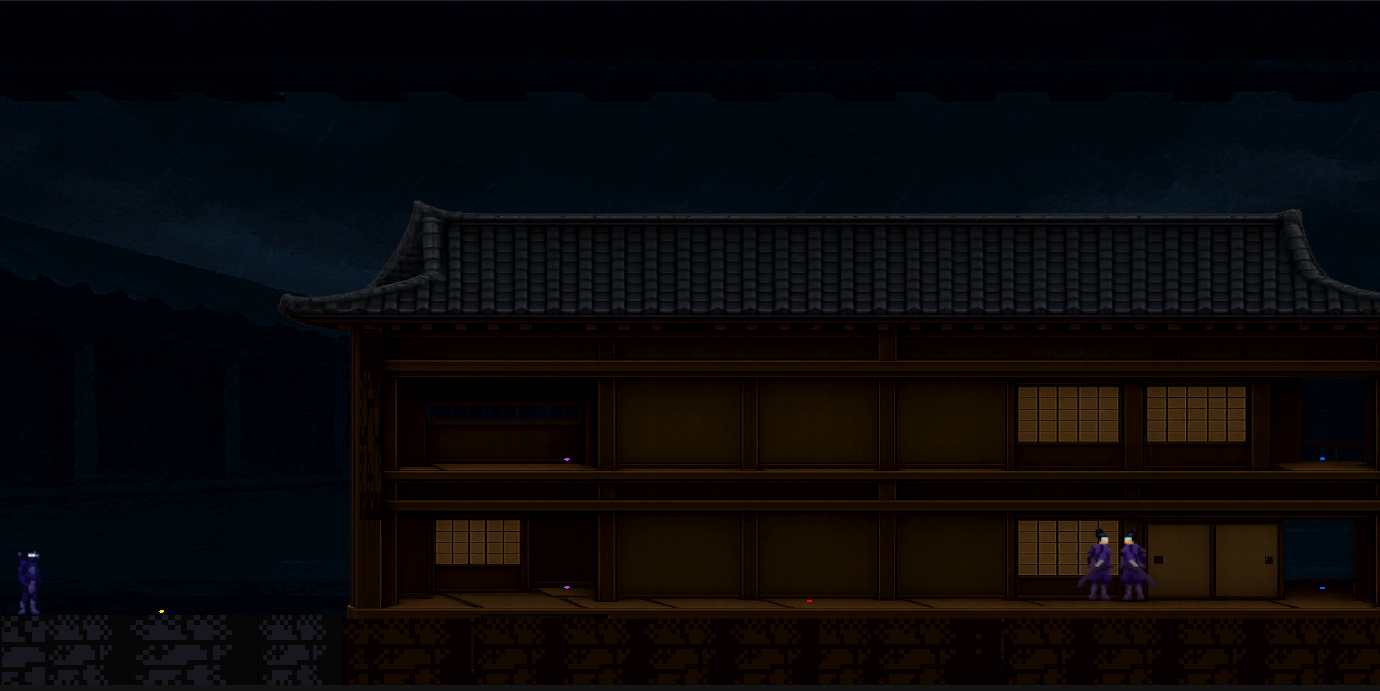
The primary objective this week was to complete the development of a brand-new level and formally integrate the Goshiki-mai (Five-Color Rice) narrative system into the core gameplay. My goal was to move beyond abstract concepts and implement functional stealth mechanics, environmental interactions, and vertical level design.
Work Completed
New Level Construction: Designed and built a complete level layout featuring multiple elevations and strategic hiding spots.
Goshiki-mai System Integration: Implemented the logic for the Yellow Rice, which serves as an information marker and trap indicator within the environment.
Vertical Traversal & Teleportation: Developed and debugged a "Stairs/Floor" transition system using custom teleportation scripts to simulate moving between different levels of a building.
Environmental Hazards: Created and placed interactive traps that respond to both the player and AI characters.
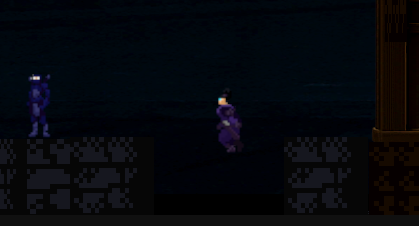
AI-Environment Interaction: Scripted a behavior where the player can actively "bait" or lure enemies into traps, allowing for indirect combat.
Design Decisions and Rationale
Teleportation-Based Verticality: I chose to use teleportation scripts for moving between floors rather than simple slopes. This decision was made to maintain the "stealth-room" feel and allow for more complex architectural layouts that challenge the player’s spatial awareness.
Yellow Rice as Tactical UI: Instead of using modern HUD markers, I utilized the Yellow Goshiki-mai to signal trap locations. This keeps the player immersed in the historical ninja theme while providing essential gameplay information.
Baiting Mechanics: I decided to prioritize "environmental kills" over direct combat. By allowing players to lure enemies into traps, I am reinforcing the core pillar of the game: using intelligence and the environment rather than brute force.
Research and Precedents
Technical Research: Investigated efficient trigger-based teleportation in Unity to ensure that character momentum and camera positioning remain seamless during floor transitions.
Historical Context: Researched the traditional use of Goshiki-mai by ninja for secret communication, adapting the historical "code" into a modern pathfinding and hazard-warning mechanic for the player.
Feedback and User Testing
Internal Playtest Observation: During initial testing, I noticed that the AI's pathfinding would sometimes awkwardly clip around the edges of the traps when being chased.
Iteration: I adjusted the Mesh parameters and expanded the trap’s trigger volume. This ensures that when a player successfully baits an enemy, the trap registers the interaction more reliably.
Reflection and Next Steps
Reflection: This week was a major milestone in turning a narrative concept (the rice system) into a tangible gameplay loop. The interaction between the player, the AI, and the environment feels rewarding, though the visual feedback for "successful baiting" could still be clearer.
Next Steps:
Level Expansion & Iteration: My immediate priority is to design and complete additional levels. I plan to utilize the established teleportation and rice-marking systems to create more complex environments that increase the difficulty and variety of the stealth puzzles.
Narrative Development: I will begin designing and integrating new narrative arcs. The goal is to weave the story more deeply into the gameplay, using environmental storytelling and the Goshiki-mai system to reveal plot points as the player progresses through the new stages.
System Refinement: I intend to test how multiple rice colors (e.g., Red for danger, Blue for safety) interact within these new levels to ensure the narrative tools and core mechanics remain perfectly synchronized.